
Teach Your Dog a Reliable “Let’s Go” Cue (and Walk Away Calmly from Distractions)
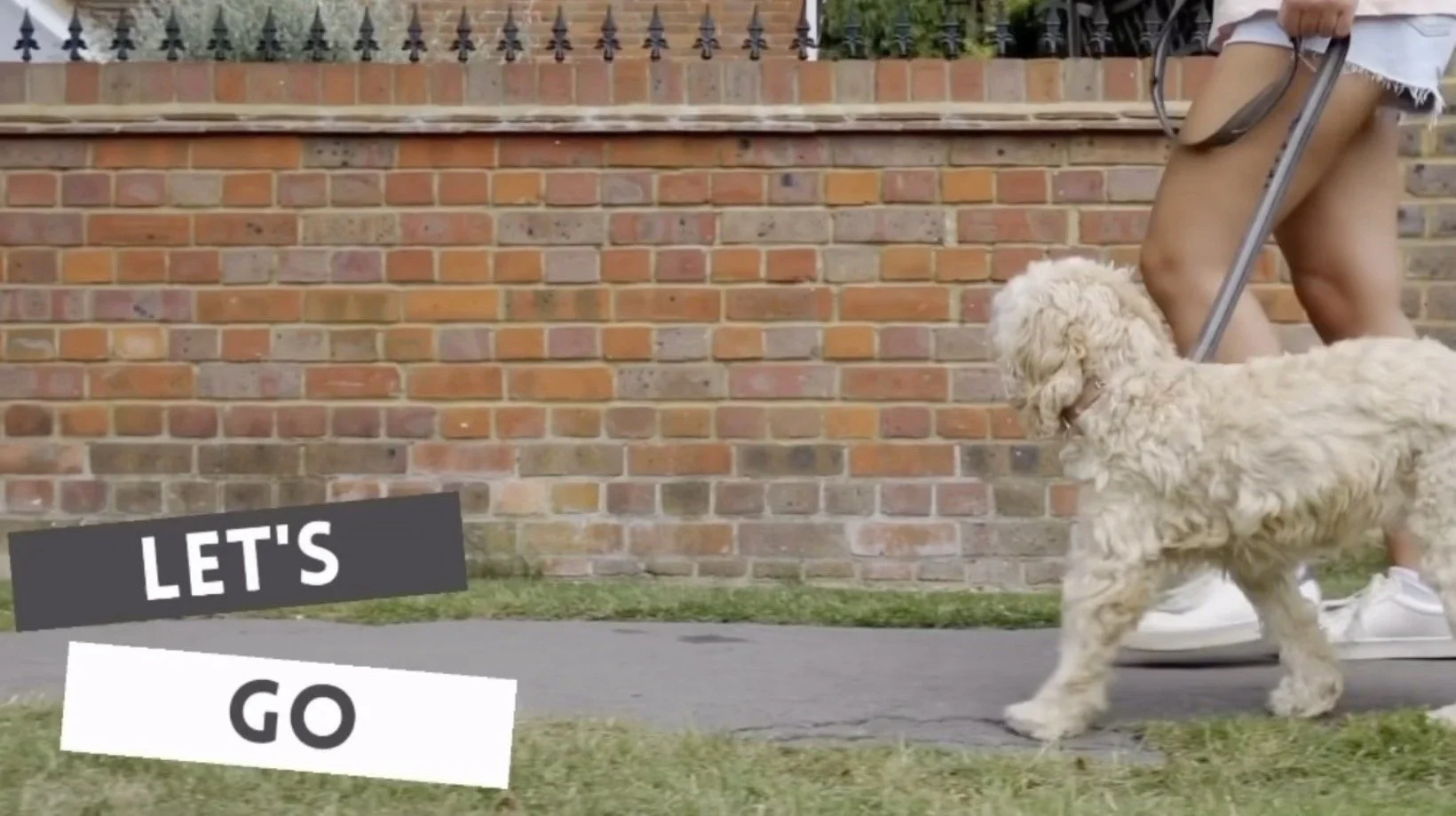
Teach your dog to turn with you
Feeling powerless when your dog won’t move away from another dog is frustrating.
Whether your dog is overly friendly, reactive, fearful or simply gets fixated, it’s easy to feel like you’ve lost control of the situation. Calling their name often doesn’t work, and before you know it, you’re dealing with barking, pulling or an unwanted greeting.
That’s where a simple “Let’s Go” cue can make all the difference.
It teaches your dog to turn away with you willingly, helping you move calmly out of situations before they become a problem.
Why teach a “Let’s Go” cue?
Unlike your dog’s name, which most of us use dozens of times every day, “Let’s Go” becomes a cue that always predicts something positive.
Instead of trying to compete with distractions, you’re teaching your dog that hearing those words means turning towards you is always worthwhile.
With practice, this becomes an automatic response that you can use in everyday life.
For example:
Walking away before your dog reacts.
Moving past another dog calmly.
Ending a greeting politely.
Leaving the park without an argument.
Creating space if another dog is approaching.
Redirecting an over-excited dog before they become fixated.
The more successful repetitions your dog gets, the stronger this habit becomes.
Why it’s especially useful for reactive dogs
When dogs become worried, excited or fixated, they stop thinking clearly.
Trying to repeatedly call their name often becomes background noise because they’ve heard it so many times.
A dedicated cue like “Let’s Go” stays valuable because it’s only used when something good happens.
Over time, your dog learns:
“When I hear ‘Let’s Go’, I turn with my owner and great things happen.”
It also creates a positive association with moving away, rather than feeling pulled or forced by the lead.
You’ll need a reliable marker word - see how to teach this here.
How to teach “Let’s Go”
Step 1 Reward following you
With your dog off lead, walk a couple of steps.
Turn away from them.
The moment your dog turns to follow you, mark with you marker word and toss another treat ahead.
Repeat until your dog immediately follows your turn.
Step 2 Add the cue
Now say:
“Let’s Go!”
Turn away.
Mark as your dog follows and throw the reward.
Keep everything fun and upbeat.
Step 3 Build movement
Gradually walk further before rewarding.
Instead of tossing every reward, start feeding several treats from your hand while your dog walks beside you.
Step 4 Increase the challenge
Once your dog understands the game indoors, begin practising:
Different rooms
The garden
Quiet walks
New locations
Keep the distractions easy at first.
Step 5 Add distractions
Place some food or a toy on the ground.
As your dog notices it, say: “Let’s Go!” and turn away.
When they choose you, mark and reward generously.
If the lead becomes tight, don’t pull, simply wait.
As soon as your dog turns back towards you, mark & reward immediately.
Step 6 Use it on walks
Only begin using the cue around other dogs once your dog responds reliably in easier situations.
Start at a comfortable distance.
Gradually work closer over multiple sessions.
The goal isn’t to test your dog.
The goal is to keep them successful.
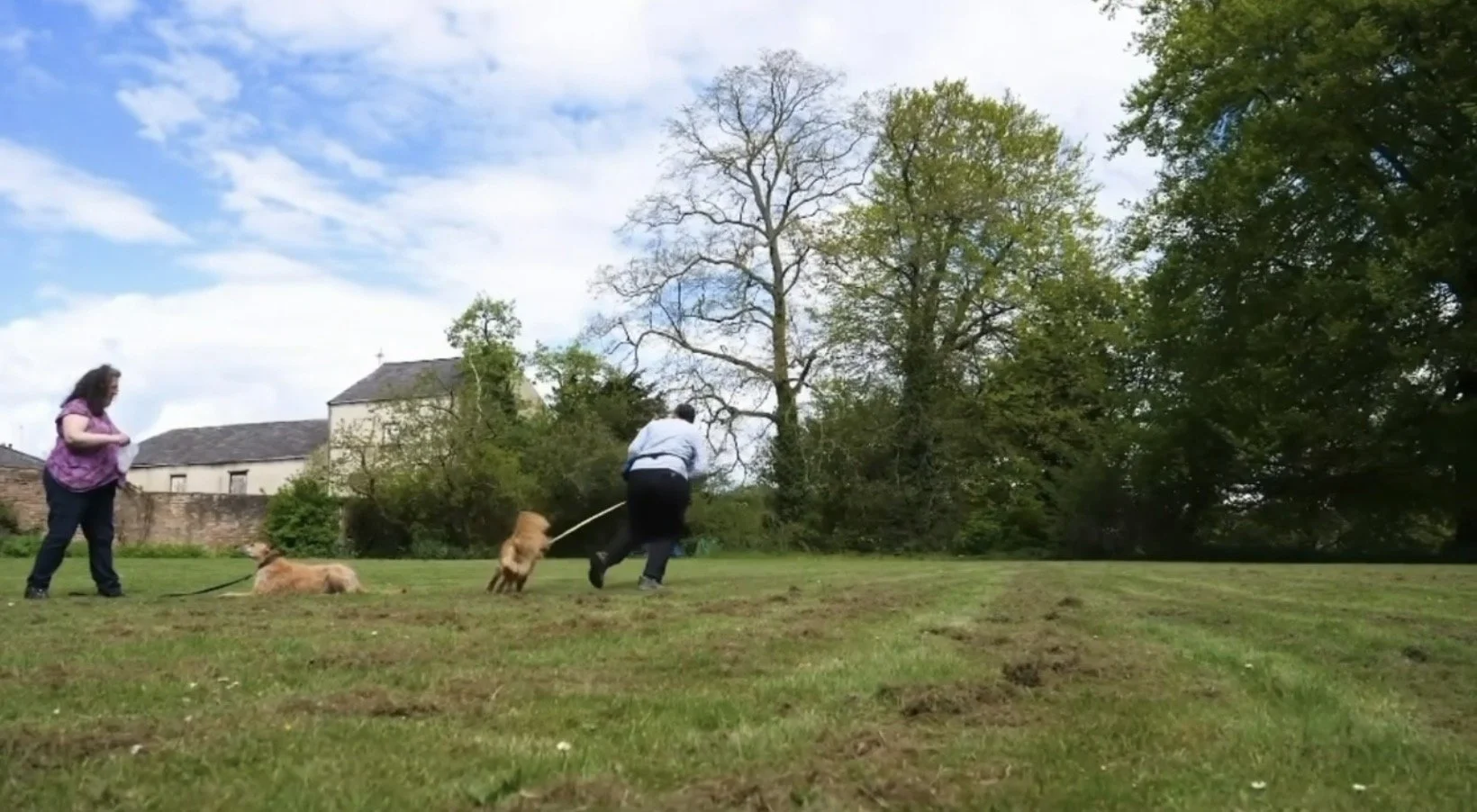
Only add distractions when your dog knows it well
A couple of important tips
Keep “Let’s Go” special.
Don’t use it every time you change direction.
If you simply want to head another way, use something like “This way.”
Reserve “Let’s Go” for situations where you’re ready to reward generously.
If your dog becomes overly excited chasing treats, scatter several treats on the floor instead. Sniffing naturally helps many dogs relax.
If your dog loves a toy, use that to reward instead. Food is best in the early stages as it’s quick and easy to deliver.
Final thoughts
“Let’s Go” is one of the simplest skills you can teach, but it’s one you’ll probably use every single day.
Whether your dog is reactive, overly social or just easily distracted, having a reliable way to turn them back towards you can make walks feel calmer and far more enjoyable.
Ready for the next step?
If you’re working through reactivity or struggling with your dog’s focus around other dogs, I’ve put together more practical training resources to help.
Join the interest list for my upcoming Reactivity online course, and be the first to hear when it opens.